UCLA School of Theater, Film and Television and the Cherokee Nation forge new paths for Indigenous storytelling
What becomes possible when filmmakers and film scholars have meaningful conversations about whose story they are telling, who gets to shape it, who it will serve and where it will live? What happens when Native people claim ownership over their story towards narrative sovereignty?
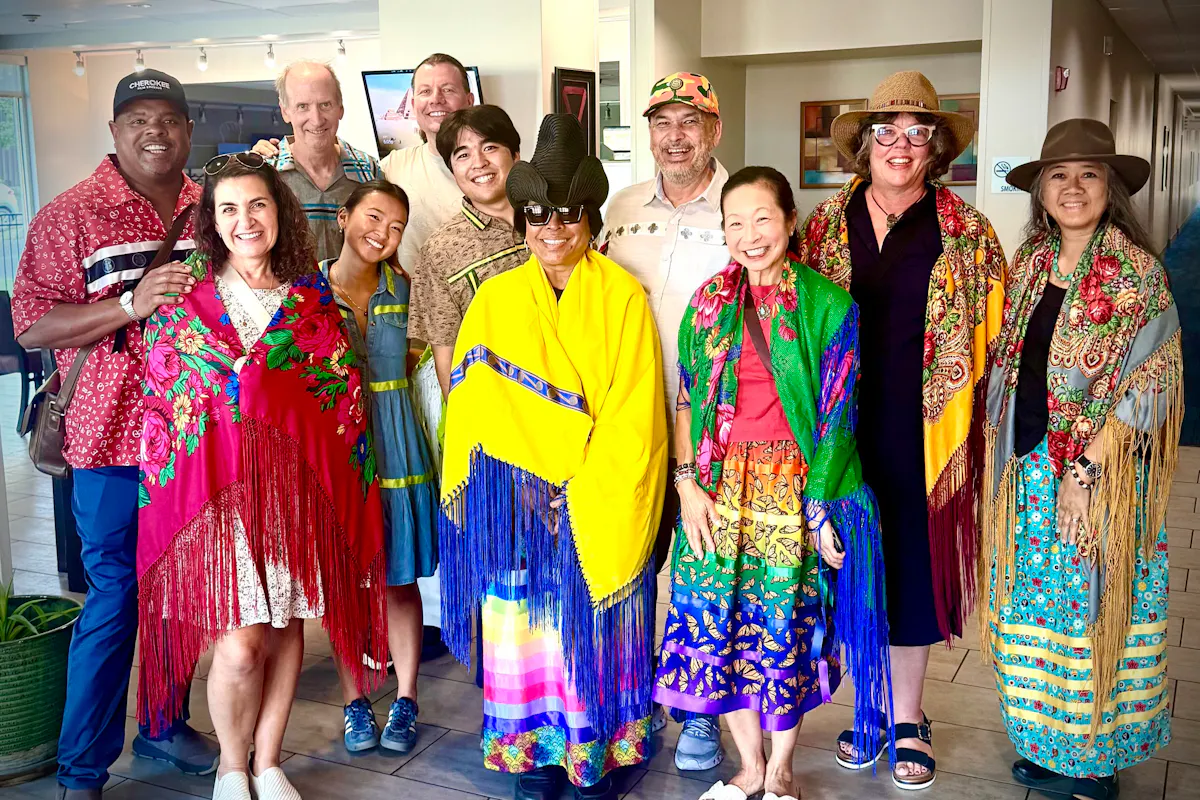
At the UCLA School of Theater, Film and Television, those questions are guiding a new collaboration with the Cherokee Nation that brings Indigenous storytelling practices into the classroom and lays the groundwork for a permanent program in Indigenous media.
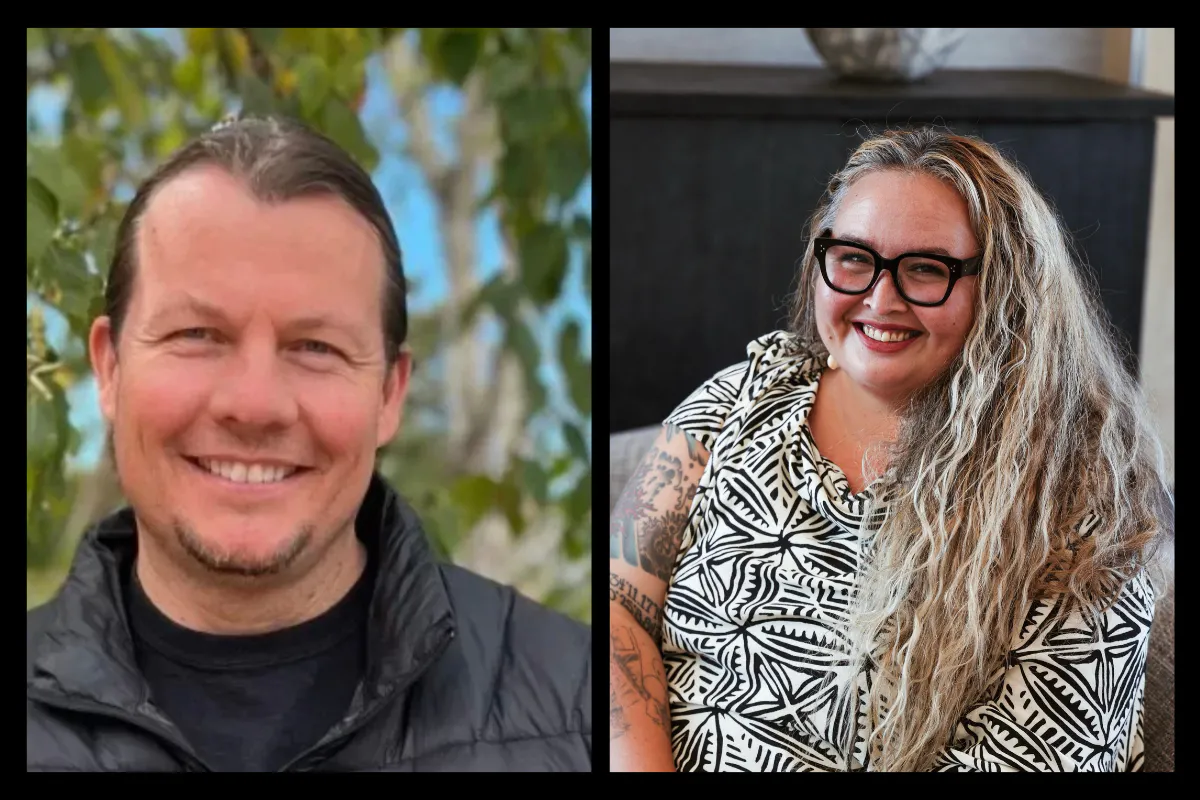
Joseph Erb, a Cherokee Nation citizen, filmmaker and new TFT associate professor, has devoted much of his career to creating work in ᏣᎳᎩ ᎦᏬᏂᎯᏍᏗ, the Cherokee language. He previously taught at UC Santa Cruz, alongside Celine Parreñas Shimizu, now dean of UCLA TFT and formerly dean of UC Santa Cruz’s arts division.
“A public school of theater, film and television exists to put the means of storytelling in the hands of communities whose stories have suffered distortion, scarcity and misrepresentations,” Shimizu said. “Our partnership with the Cherokee Nation carries that charge forward.”
The collaboration is part of Picture Start, Shimizu’s five-year initiative to expand short-form filmmaking at TFT. Proposed projects include animated films for young audiences, documentaries, filmmaking workshops and reciprocal visits between TFT students and students at Cherokee Film Studios in Oklahoma.
The projects would produce films for Cherokee audiences while giving TFT students experience working directly with Cherokee artists and language keepers.
Stories rooted in community
Erb’s practice spans animation, documentary and narrative film. He also was instrumental in bringing the Cherokee language to digital devices through years of sustained advocacy and collaborations with Apple, Microsoft and Google.
His animated series "Rabbit Stories" follows a Cherokee single mother and her child, weaving traditional stories and supernatural elements into contemporary family life.
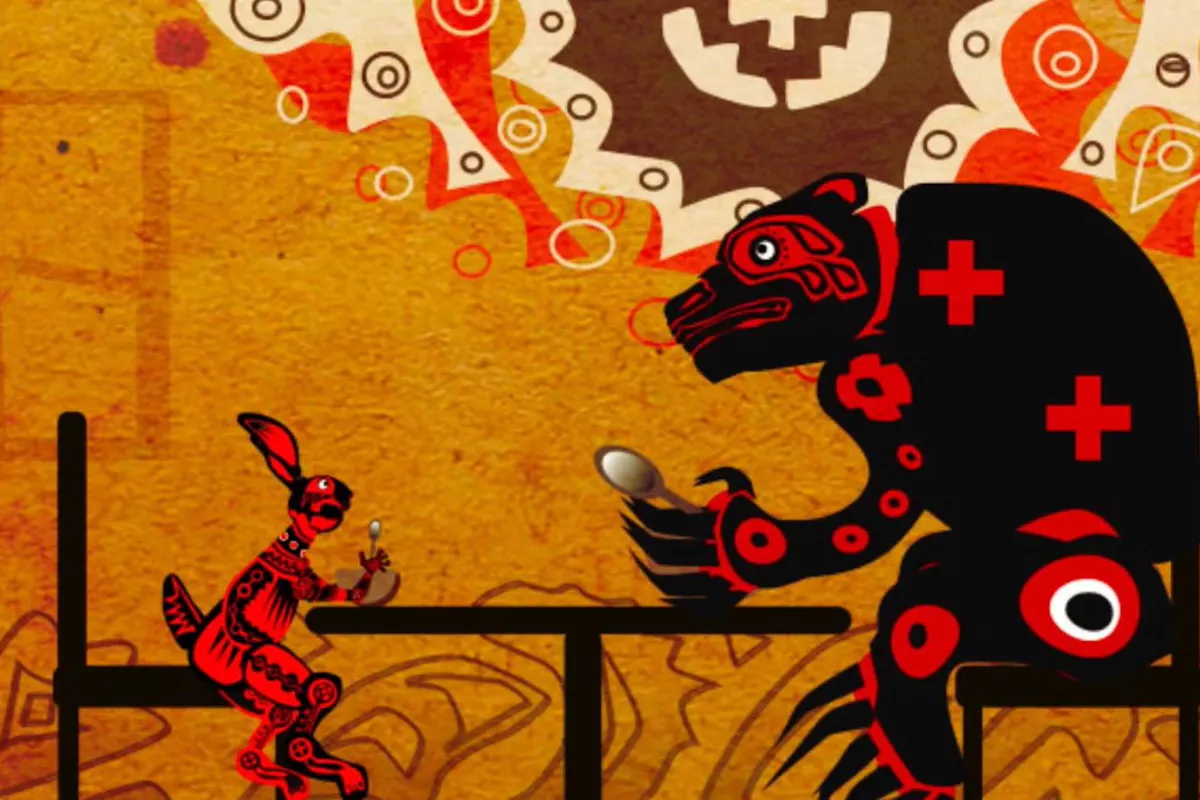
Scene from "Rabbit Stories." Courtesy Joseph Erb
Erb says creating such work is an opportunity to portray Cherokee people beyond the historical stereotypes that have long dominated popular media, telling stories grounded in his community without having to explain or justify its culture to outsiders.
His forthcoming film "Red Bird and the Robot," starring Cherokee actor Wes Studi, follows an elder living with an AI robot whom he attempts to convince is Indigenous. Shot in Erb's home community in Oklahoma and performed entirely in the Cherokee language, the science fiction film explores questions of identity and what it means to be human. Erb describes a scene in which the elder discusses Descartes and mind-body dualism with the robot, entirely in Cherokee. It's an unexpected intersection of Indigenous language, philosophy and science fiction.
At TFT, Erb plans to introduce students to Indigenous approaches to storytelling, including a five-part narrative structure that offers an alternative to the three-act model common in Western screenwriting. Such approaches can expand how students organize scripts, edit documentaries and consider the influence of culture on their creative work, he said.
Erb never had a Native professor, but African American professors served as powerful examples into how artists draw on their own communities’ histories and values.
“They didn’t try to teach me how to be Native,” Erb said. “They showed me what it’s like to make art grounded in their own communities’ histories, values and experiences.”
Allison Copp, who joined TFT as an MFA student this year, first studied with Erb in an Adobe After Effects course at UC Santa Cruz. She took away more than technical skills.
“The experience of having him as a professor was essential for me as a student and helped me in my approach to storytelling,” she said. “Beyond all the comprehensive technical resources he provided us, he shared his own work. It’s just great storytelling and he is someone I admire and want to continue to learn from.”
Creating in good relation
Angela L. Robinson, a Chuukese scholar who joined TFT’s theater and performance studies faculty in 2025, examines the relationship between artistic practice and community responsibility.
Robinson studies Indigenous performance, anti-colonialism and climate justice, particularly how Pacific artists respond to political and environmental challenges. She encourages students to ground their creative practice in historical research and consider their responsibilities when representing other communities.
Robinson says artists can tell stories outside their own experience, but must work closely and respectfully with the communities involved. She recalled a filmmaker who changed his documentary plans after consulting people in Papua New Guinea about the issues they wanted addressed.
She describes this responsibility through the Indigenous concept of being “in good relation” with people, other living beings and the environment. It requires listening and compromise, including when the process is uncomfortable.
“Real, impactful work is meant to be hard, but that’s also why you have professors, staff, peers, and support systems to lean on,” Robinson said. “You don’t have to do it alone.”
For Shimizu, the partnership with the Cherokee Nation builds on TFT’s history of expanding opportunities for underrepresented filmmakers, including the pioneering Ethno-Communications program of the 1970s that produced the renowned independent film movement known as the L.A. Rebellion. This collaboration with Cherokee artists and language keepers will inspire work that has potential to also circulate far beyond film festivals and UCLA classrooms.
“A handful of corporations now decide how most stories reach audiences,” Shimizu said. “Our answer is the strength of the local, the regional, the national and the sovereign, collaborating across borders. A sovereign nation telling its stories in its own language, through its own studios, shows the global industry what storytelling can become.”