The Ground Is Fertile
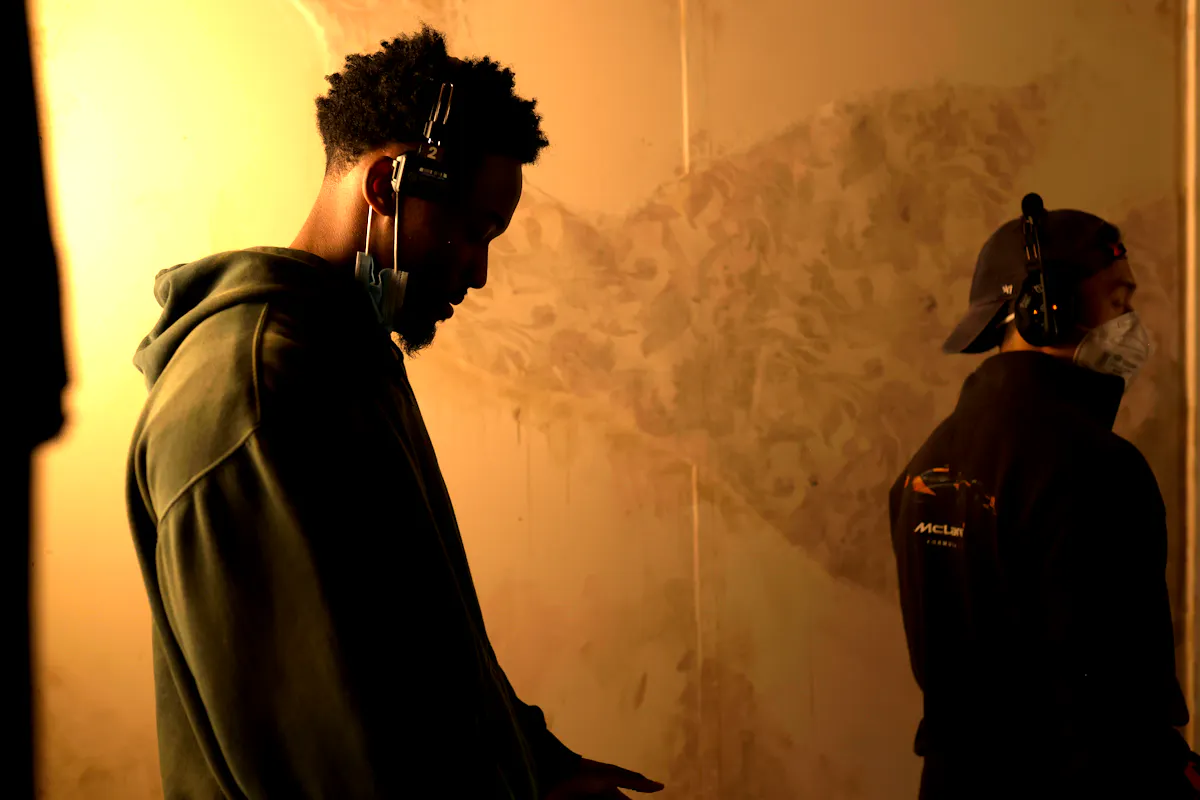
There is a moment, during graduate study at UCLA's School of Theater, Film and Television, when the school stops feeling like a school. The cohorts are small. The faculty are working professionals who arrive in the evenings after full days at studios and networks. Students make films and send them to festivals. Directors and producers find each other and build working relationships that follow them out the door.
"The ground is fertile," said director Juwan Rashaad Howard. "This is the time and place to use it."
Howard grew up in the cities south of Los Angeles — Compton, Carson, Paramount, Bellflower — came to filmmaking through a like-minded best friend from high school who lead the way attending Long Beach City College. Howard eventually transferred UC Berkeley to study film theory before arriving at TFT. He had visited the USC graduate program before choosing UCLA. An early information session at UCLA's cross-town rival and left him feeling that its scale worked against what he actually needed. He knew he needed a place intimate enough to find himself as a filmmaker without getting lost.
His second-year short, "A Lasting Place," follows a man who dies and finds himself in a purgatory shaped like his father's deteriorating house — floating objects, fractured time, a deliberately unfamiliar visual language. Howard chose this setting as a deliberate stretch into territory that didn't come naturally to him. He is drawn to drama, horror and science fiction, but not necessarily fantasy — and he wanted to challenge himself. The film made it into several small film festivals, and Howard was guided through the festival submission process by way of a course taught by TFT professor Teri Schwartz.
His thesis project, "The Heart Posture," goes deeper. A proof of concept for a feature, it follows a Black NBA player in the late 1990s who has achieved everything his father pushed him toward — and yet finds himself completely empty. Moving between realism and magical realism, the film asks what it costs when a father's ambitions materialize by way of a son's body, and what it takes to return to the life you actually wanted. Howard, who played basketball most of his life, began developing the idea at Berkeley. UCLA gave him the collaborators to make it.
Those collaborators include Laura B. Abellan and Amanda Lee, both completing their MFAs in the Producers Program. The school's cross-disciplinary structure encourages collaboration between directors and producers early in the creative process. Abellan produced "The Heart Posture;" Lee produced "A Lasting Place."
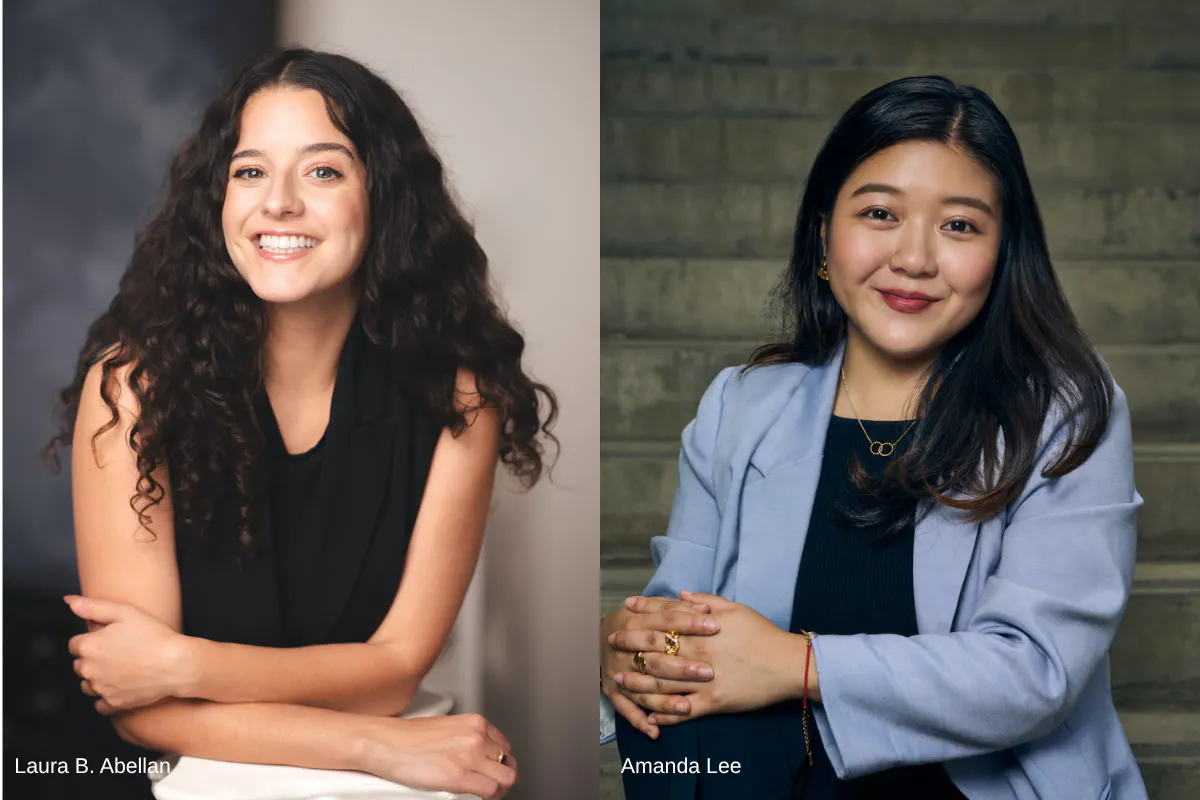
"It's probably the favorite project that I've worked on," Lee said. "It's truly a beautiful idea, and it had a lot to say about grief and love and loss, and it was great opportunity that I feel very thankful to work with an incredible director like that, and to help support voices like that."
Both producers are also developing their own work, which they will pitch as part of TFT's annual thesis marketplace — a live presentation before industry professionals and an open audience. Lee's project is "Akane," a supernatural horror feature set in an art gallery where a young woman discovers a cursed painting of a geisha that awakens on a mission of revenge. Lee arrived at the producer's program with five years of on-set experience across commercials and television, including work at Atomic Monster and Roadside Attractions. She has built her practice around bringing genre filmmaking to women of color who rarely see themselves at the center of those stories.
Abellan's project is "Dreamer," a half-hour pilot she wrote herself — possible because this year's cohort became the first to be permitted to write their own treatment for a thesis. It follows Zoe, a Chicana raised in East L.A. who ages out of her parents' immigration status at twenty-one. Abellan, who is from Spain, co-founded the Loving Latino Film Festival on campus and has produced short films with multiple TFT directors.
Howard's aesthetic appealed to her, she said, even though that meant navigating the challenges of shooting on celluloid.
"He is playing with the texture, playing with what is not taught, what is not said, instead of what is definitely said on the script," she said. "It's a fascinating project because it's not the typical film that I will do, where everything is literal. This is more subtle and it's about what you feel after you see."
What holds all three artists together not necessarily a shared aesthetic, but certainly a shared understanding of what the TFT program demands — that you show up for someone else's vision as seriously as your own.
"To get to dedicate yourselves to a project with these people you work with, that's a privilege," Howard said. "Life can be tough, but, man, this is a privileged space to really be here, so just be grateful, be grateful and grind."